
Roof Repair vs. Roof Replacement: Which Saves More Money Long-Term?
A damaged roof can put homeowners in a tough spot. Repairing the problem may cost less today, but replacing an aging roof could save thousands of dollars in repeated repairs, interior damage, and rising maintenance costs later.
The right choice depends on more than the size of the immediate bill. Homeowners should consider the roof’s age, the extent of the damage, future repair risks, and how long they plan to stay in the property. Professional roofing contractor services can help identify whether a targeted repair will solve the problem or simply delay a larger expense.
In many cases, well-timed roof replacements provide better long-term value when a roof has reached the end of its useful life. On the other hand, prompt roof damage repair may be the smarter financial move when the problem is isolated and the rest of the roofing system remains in good condition.
Understanding the difference between these options can help you avoid spending too much now or paying far more later. Below, we break down the costs, warning signs, and long-term financial factors that should guide your decision.
When Roof Repair Is the More Affordable Choice
Roof repair is usually the logical choice when damage is limited to a small area and the overall roofing system is still structurally sound. A few missing shingles, minor flashing problems, or a small leak caused by storm damage may not justify the cost of replacing an entire roof.
Repairs can make financial sense when:
The roof is still relatively young.
Damage is confined to one specific area.
There are no widespread moisture or structural problems.
The existing roofing material is still performing well.
Replacement is not expected for several more years.
The biggest advantage is obvious: a repair typically requires a smaller upfront investment. It can also extend the life of a healthy roof when the underlying issue is caught early.
However, homeowners need to be careful about repeatedly repairing an older roof. One repair may seem affordable, but several service calls over a few years can quickly add up. If new leaks continue appearing in different areas, the roof may be signaling that repairs are no longer the most economical solution.
When Roof Replacement Delivers Better Long-Term Value
Replacing a roof costs more upfront, but that does not automatically make it the more expensive option.
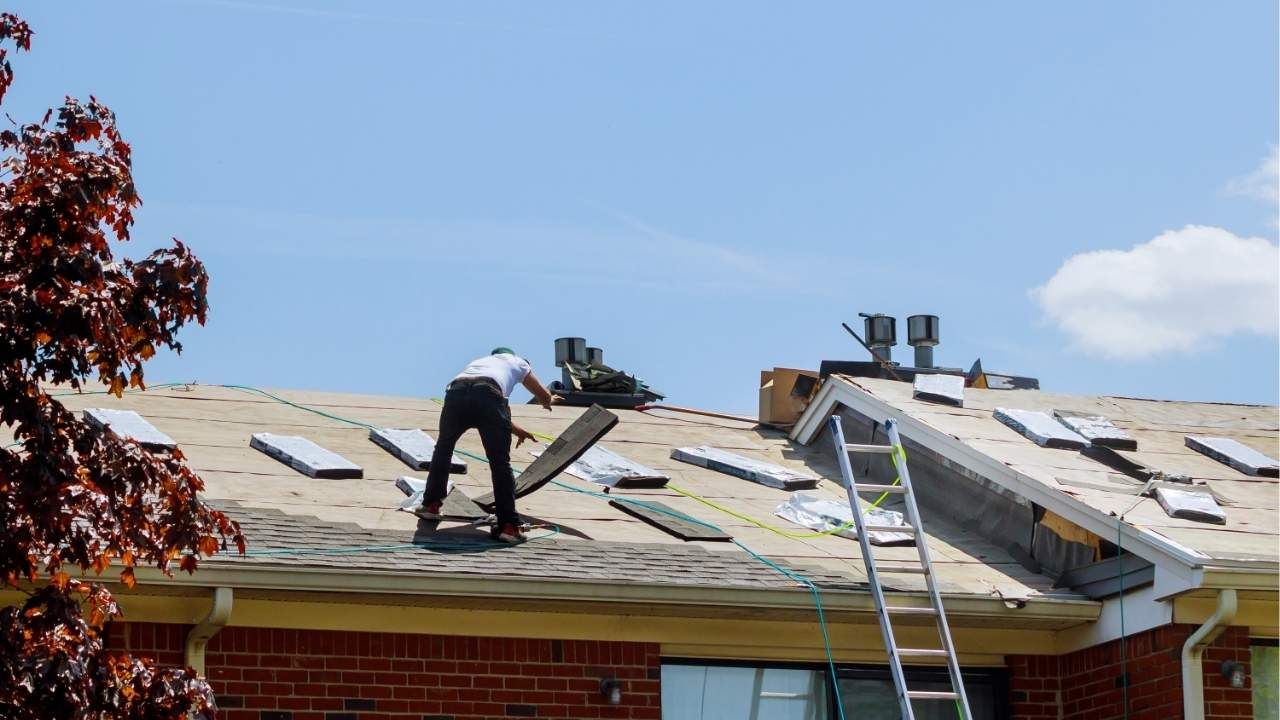
An aging or heavily damaged roof may require frequent attention. Each repair brings additional labor and material costs, and unresolved roofing problems can lead to damaged insulation, drywall, ceilings, flooring, and even structural components.
Replacement becomes more financially attractive when:
The roof is approaching or exceeding its expected lifespan.
Leaks are appearing in several areas.
Shingles are curling, cracking, or missing across large sections.
Moisture has reached the roof decking.
Previous repairs are failing.
Storm damage affects a significant portion of the roof.
A new roofing system can also reduce the uncertainty that comes with an aging roof. Instead of wondering when the next leak will appear, homeowners gain a fresh system designed to provide reliable protection for years.
Depending on the roofing materials and installation quality, replacement may also improve energy efficiency and curb appeal. For homeowners planning to sell, a newer roof can make the property more attractive to buyers who want to avoid a major expense shortly after moving in.
Compare Total Cost, Not Just Today's Price
The cheapest quote today is not always the option that saves the most money.
Suppose a homeowner spends $1,500 on a repair this year, another $2,000 two years later, and then pays for a full replacement shortly afterward. Those repair costs did not eliminate the eventual replacement expense. They simply increased the total amount spent on the roof.
To make a smarter decision, consider the total cost of ownership.
Ask yourself:
How much will the repair cost?
How many additional years could the repair realistically provide?
Is another major repair likely soon?
Could leaks cause expensive interior damage?
How soon will full replacement become unavoidable?
A professional roof inspection can provide valuable answers. The goal should not be to sell you the most expensive option. It should be to determine which approach delivers the best balance of safety, reliability, and long-term value.
A relatively new roof with localized damage may have many useful years remaining after a proper repair. An older roof with widespread deterioration may turn into a money pit if homeowners continue addressing problems one at a time.
Case Study: When Repeated Repairs Cost More
A homeowner noticed a small ceiling stain and chose a relatively inexpensive roof repair. Eighteen months later, another leak appeared on the opposite side of the house. A second repair followed, but the contractor discovered that the aging shingles and underlayment were deteriorating across much of the roof. Less than two years later, the homeowner ultimately needed a full replacement anyway. By postponing the larger project, the homeowner paid for multiple service visits, interior ceiling repairs, and eventually the replacement itself. Had the overall roof condition been evaluated earlier, replacing it sooner could have reduced the total amount spent.
How to Make the Right Financial Decision
There is no universal answer to whether repair or replacement is cheaper. The smartest option depends on the condition of your specific roof.
A good decision starts with an honest assessment rather than automatically choosing the lowest upfront price. Ask the contractor to explain:
What caused the damage.
Whether the problem is isolated or widespread.
The estimated remaining lifespan of the roof.
The expected lifespan of the proposed repair.
Whether hidden moisture damage is present.
How repair costs compare with the value of replacement.
Be cautious if you are repeatedly fixing symptoms without addressing the underlying condition of the roofing system. Small repairs are excellent investments when they solve isolated problems. They become expensive when they are used to keep a failing roof alive year after year.
Ultimately, the option that saves the most money is the one that prevents unnecessary spending while protecting your home from further damage.
Protect Your Home and Your Budget
Choosing between repairing and replacing your roof is a financial decision as much as a maintenance decision. The right approach can prevent recurring leaks, reduce the risk of costly interior damage, and give you greater confidence in your home's protection.
Schedule a professional roof inspection today to understand the true condition of your roof and choose the solution that provides the strongest long-term value for your budget.
