

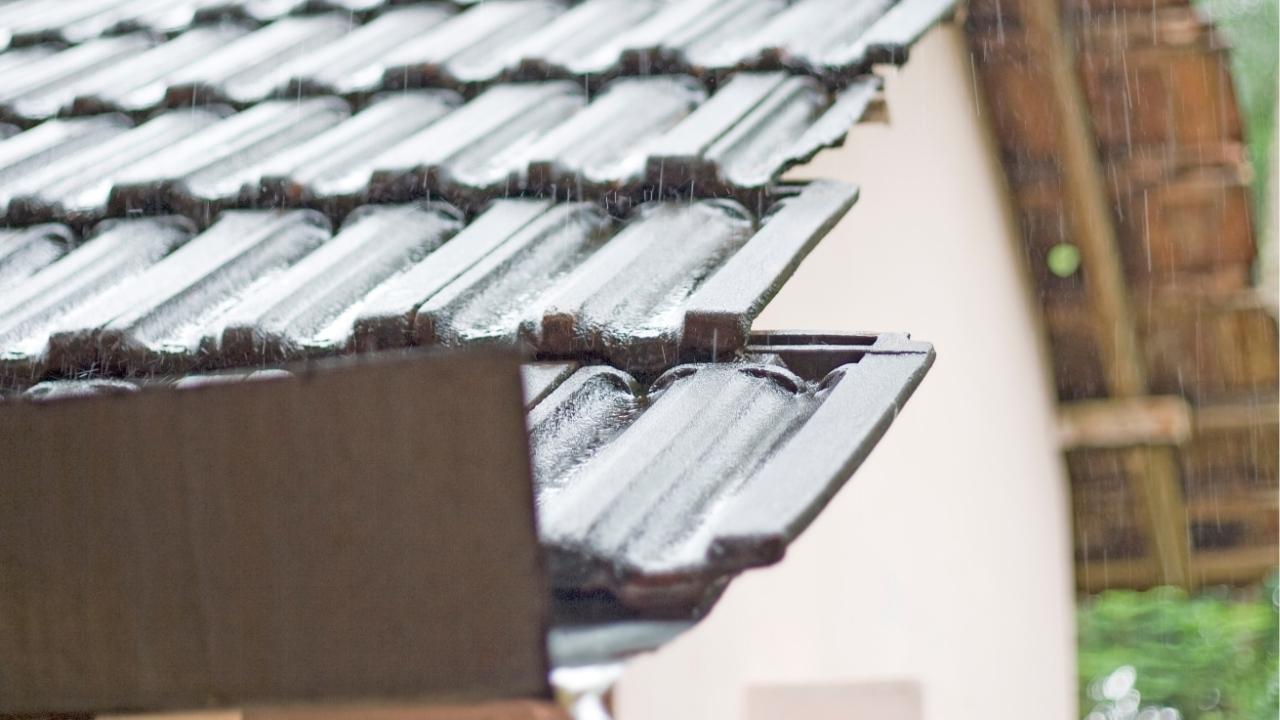
Can Heavy Rain Damage Your Roof Even Without Missing Shingles?
A roof can look perfectly intact from the ground and still develop serious problems after days of heavy rain. Missing shingles are an obvious warning sign, but they are far from the only way water can get through a roofing system.
If you have been searching for a “roofing contractor near me in Oneonta AL,” after a major storm, you do not need to wait until shingles are scattered across the yard to schedule an inspection. Small flashing failures, weakened seals, clogged drainage areas, and aging roofing materials can all lead to hidden water intrusion. Catching these problems early may turn a relatively simple roof repair into an affordable fix instead of a major restoration project. A certified roofing specialist can inspect the entire roofing system and identify vulnerabilities that are almost impossible to see from the ground.
Below, we will look at how heavy rain damages apparently intact roofs, what warning signs homeowners should watch for, and when professional attention becomes necessary.
How Can Heavy Rain Damage an Intact Roof?
Your roof is designed to shed water, but that does not mean it is completely waterproof under every condition.
During a normal rainstorm, water moves quickly down the roof and into the gutters. During prolonged or wind-driven rain, however, water may remain on vulnerable areas much longer. Even a tiny weakness can become an entry point.
Common trouble spots include:
Flashing around chimneys and vents
Valleys where two roof slopes meet
Skylight seals
Plumbing vent boots
Roof penetrations
Nail holes and exposed fasteners
Aging shingle edges
Gutters and drainage systems
Heavy rain can also expose weaknesses that have been developing quietly for years.
For example, flashing may appear normal but have a small opening where sealant has deteriorated. Under ordinary rainfall, very little water reaches the opening. During hours of sustained rain, enough moisture may penetrate to reach the roof deck or attic insulation.
The result is a leak without a single missing shingle.
Wind-Driven Rain Creates Another Problem
Rain does not always fall straight down.
Strong winds can push water sideways and even upward beneath roofing materials. This is particularly important around roof edges, vents, flashing, dormers, and siding transitions.
Water may travel several feet from the original entry point before becoming visible inside your home. That is why the location of a ceiling stain does not necessarily reveal where the roof is leaking.
A professional inspection can trace the moisture back to its actual source.
Warning Signs Your Roof May Be Letting Water In
Some roof leaks announce themselves with dripping water. Others remain hidden until significant damage has already occurred.
After unusually heavy rainfall, check your home for subtle warning signs.
Water Stains on Ceilings or Walls
Brown, yellow, or faint gray discoloration may indicate moisture entering through the roof.
Even a small stain deserves attention. Water can spread across rafters, insulation, or drywall before appearing inside the living space.
Damp or Musty Attic Odors
Your attic may reveal trouble long before your ceiling does.
A persistent musty smell can indicate wet insulation, damp wood, or developing mold. If it is safe to enter the attic, look for darkened wood, wet insulation, moisture around nails, or visible water trails.
Peeling Paint or Bubbling Drywall
Moisture trapped behind walls and ceilings can cause paint to blister, drywall to soften, or finishes to peel.
These symptoms may appear days after the storm rather than immediately.
Granules in Your Gutters
Heavy rain can wash loose granules from aging asphalt shingles.
Some granule loss is normal over time. Large amounts, however, may indicate that the shingles are deteriorating and becoming less resistant to weather.
Sagging Areas
A sagging ceiling or roof deck should never be ignored.
Water is heavy. If moisture saturates insulation, drywall, or decking, structural materials can weaken. A bulging or sagging ceiling may indicate significant water accumulation and should be addressed promptly.
Why Small Roof Leaks Can Become Expensive
One reason homeowners postpone inspections is simple: the leak seems too small to matter.
Unfortunately, roofing problems rarely repair themselves.
Water entering through a tiny opening can gradually damage multiple parts of the home.
Possible consequences include:
Rotting roof decking
Damaged rafters
Wet attic insulation
Mold and mildew growth
Ceiling stains
Damaged drywall
Peeling interior paint
Electrical hazards
Reduced insulation performance
Moist insulation deserves particular attention.
Insulation works by trapping air. Once it becomes saturated, its ability to regulate indoor temperatures can decline. Your heating and cooling system may then have to work harder to maintain comfortable temperatures.
Wood presents another problem. Repeated exposure to moisture can cause decking and framing materials to deteriorate.
What begins as a minor leak around a vent can eventually require replacement of roofing materials, decking, insulation, and interior drywall.
That is why early detection matters.
Short Case Study: The Leak That Wasn't Visible
After several days of heavy rainfall, a homeowner noticed a faint stain near an upstairs hallway but saw no obvious roof damage outside. The shingles appeared intact, so the stain was initially dismissed as condensation. An inspection revealed that deteriorated flashing around a plumbing vent was allowing wind-driven rain beneath the roofing material. Water had traveled along the roof deck before reaching the ceiling several feet away. Because the problem was found early, the damaged flashing and surrounding materials could be corrected before widespread decking or interior damage developed. The situation shows why visible shingles alone do not tell the whole story.
What Should You Do After Several Days of Heavy Rain?
You do not need to climb onto your roof to look for trouble. In fact, doing so immediately after rainfall can be dangerous.
Start with a simple visual inspection from safe areas.
Inside your home, look at ceilings, walls, closets, and areas around skylights. Check the attic if it can be accessed safely.
Outside, stand on the ground and look for:
Sagging gutters
Overflowing downspouts
Debris collecting on roof valleys
Damaged flashing
Shingles that appear lifted or curled
Water collecting near the foundation
Pieces of roofing material on the ground
Pay particular attention to gutters.
When gutters become clogged, rainwater cannot drain properly. Water can back up beneath roof edges or spill against fascia boards and siding.
Keeping gutters and downspouts clear is one of the simplest ways to reduce moisture-related roofing problems.
Do Not Wait for Water to Pour Through the Ceiling
A roof inspection is especially worthwhile after prolonged storms if your roof is older, has previously leaked, or contains several penetrations such as skylights, vents, chimneys, or satellite equipment.
Professional roofers can inspect areas homeowners cannot safely or easily evaluate.
They can also determine whether the moisture came from roofing materials, flashing, condensation, plumbing, or another source.
That distinction matters because treating the wrong problem wastes time while the actual damage continues.
Protect Your Home Before the Next Storm
Heavy rain does not need to rip shingles from your roof to cause damage. Water can exploit deteriorated flashing, weakened seals, aging materials, clogged drainage systems, and tiny openings that are nearly invisible from the ground.
The sooner those vulnerabilities are discovered, the easier they are usually to correct.
If your home has recently experienced prolonged or wind-driven rain, schedule a professional roof inspection rather than waiting for an obvious leak. Finding a small weakness today can help prevent damaged decking, wet insulation, mold, ceiling repairs, and far more expensive problems later.
Schedule a roof inspection today and make sure your home is ready before the next heavy storm arrives.
