

Will Homeowners Insurance Pay for a Roof Replacement in Alabama?
A damaged roof can leave you facing one of the most expensive repairs a home may ever need. The good news is that homeowners insurance may help pay for a replacement, but approval depends on what caused the damage, the terms of your policy, and how quickly you respond.
Alabama homeowners regularly face severe thunderstorms, high winds, hail, falling trees, and tornadoes. When one of these sudden events damages your roof, your policy may cover part or all of the cost after your deductible. Before contacting a roofing service in Oneonta AL, however, it helps to understand what your insurer will examine.
Coverage is rarely based on the condition of the roof alone. The insurance company wants to know whether the damage resulted from a covered event or from years of wear, neglect, or poor maintenance. A contractor providing roof replacement services can document visible damage, but the insurer will make the final coverage decision. Working with a local roofing expert can also help you identify storm damage and gather useful information before the adjuster arrives.
This guide explains when homeowners insurance may cover a new roof, why claims are sometimes denied, and what Alabama homeowners can do to protect their rights.
When Insurance May Cover a Roof Replacement
Homeowners insurance generally covers sudden and accidental roof damage caused by a peril included in the policy. Depending on your coverage, qualifying events may include:
Wind damage from severe thunderstorms or tornadoes
Hail damage that cracks or loosens shingles
A tree or large branch falling onto the roof
Fire or smoke damage
Damage caused by lightning
Certain types of vandalism
Structural damage caused by the weight of ice or another covered event
Alabama homeowners policies vary, so coverage cannot be assumed simply because a storm occurred. The Alabama Department of Insurance notes that homeowners policy forms cover different combinations of named perils, with broader protection generally costing more.
For example, suppose strong winds lift shingles across several roof slopes and allow rain to enter the attic. If wind is covered under the policy and the insurer determines that the storm caused the failure, the claim may include shingle replacement, damaged decking, interior water damage, and reasonable temporary repairs.
The insurer may authorize a full replacement when repairs cannot restore the roof properly. However, it may approve only a partial repair when the damage is limited to one area.
When a Roof Claim May Be Denied
Insurance is designed for unexpected losses, not routine home maintenance. Claims are often denied when the roof failed because of gradual deterioration rather than a specific covered event.
Common reasons for denial include:
Normal aging and worn-out roofing materials
Long-term leaks that were never repaired
Rot, mold, or moisture caused by poor ventilation
Improper installation or defective workmanship
Damage caused by insects or animals
Failure to prevent additional damage after a storm
Damage that occurred before the current policy began
A peril excluded by the policy
A 20-year-old roof may still qualify for storm coverage, but its age can affect how much the insurer pays. Adjusters will often look for brittle shingles, granule loss, rusted flashing, previous patchwork, and other signs that the roofing system was already near the end of its useful life.
Standard homeowners insurance also generally does not cover flooding. Roof damage directly caused by wind may be covered, while water entering a home because of rising floodwater usually requires separate flood insurance.
Replacement Cost Versus Actual Cash Value
One of the most important parts of your policy is how roof damage is valued. Your coverage may pay according to replacement cost value or actual cash value.
Replacement Cost Value
Replacement cost coverage generally pays the reasonable cost of replacing damaged materials with materials of similar type and quality, without deducting depreciation. You are still responsible for your deductible and any costs beyond the policy limits.
Some insurers issue replacement cost payments in stages. The first check may reflect the depreciated value of the roof. The remaining recoverable depreciation may be released after you complete the work and submit invoices or other proof.
Actual Cash Value
Actual cash value coverage subtracts depreciation based on factors such as the roof’s age, condition, and expected lifespan. The older the roof, the larger that deduction may be.
For example, replacing a damaged roof might cost $18,000. If the insurer calculates $8,000 in depreciation and the policy has a $2,000 deductible, the initial covered amount could be substantially less than the contractor’s estimate.
The National Association of Insurance Commissioners explains that actual cash value may not provide enough money to replace damaged property fully, while replacement cost coverage generally does not subtract depreciation for materials of like kind and quality.
Review the declarations page, endorsements, deductible schedule, and roof settlement provisions carefully. Some policies use replacement cost coverage for most of the house but apply actual cash value specifically to an older roof.
What to Do After Roof Damage
The actions you take immediately after a storm can affect both the condition of your home and the strength of your claim.
Protect the Home From Further Damage
Cover exposed areas with a tarp when it is safe to do so. Move belongings away from active leaks and collect water to prevent additional interior damage.
Do not climb onto a wet, steep, or unstable roof. Photograph damage from the ground and leave close inspections to trained professionals.
The Alabama Department of Insurance advises homeowners to make reasonable temporary repairs, keep receipts, and document storm-related losses. Insurers will typically reimburse reasonable mitigation expenses when the underlying loss is covered.
Notify Your Insurance Company
Report the loss as soon as reasonably possible. Provide the date of the event, a description of what happened, photographs, videos, and records of temporary repairs.
Avoid making permanent changes before the adjuster inspects the roof unless emergency work is necessary for safety. Removing damaged materials too soon may make it harder to prove the cause and extent of the loss.
Schedule a Professional Inspection
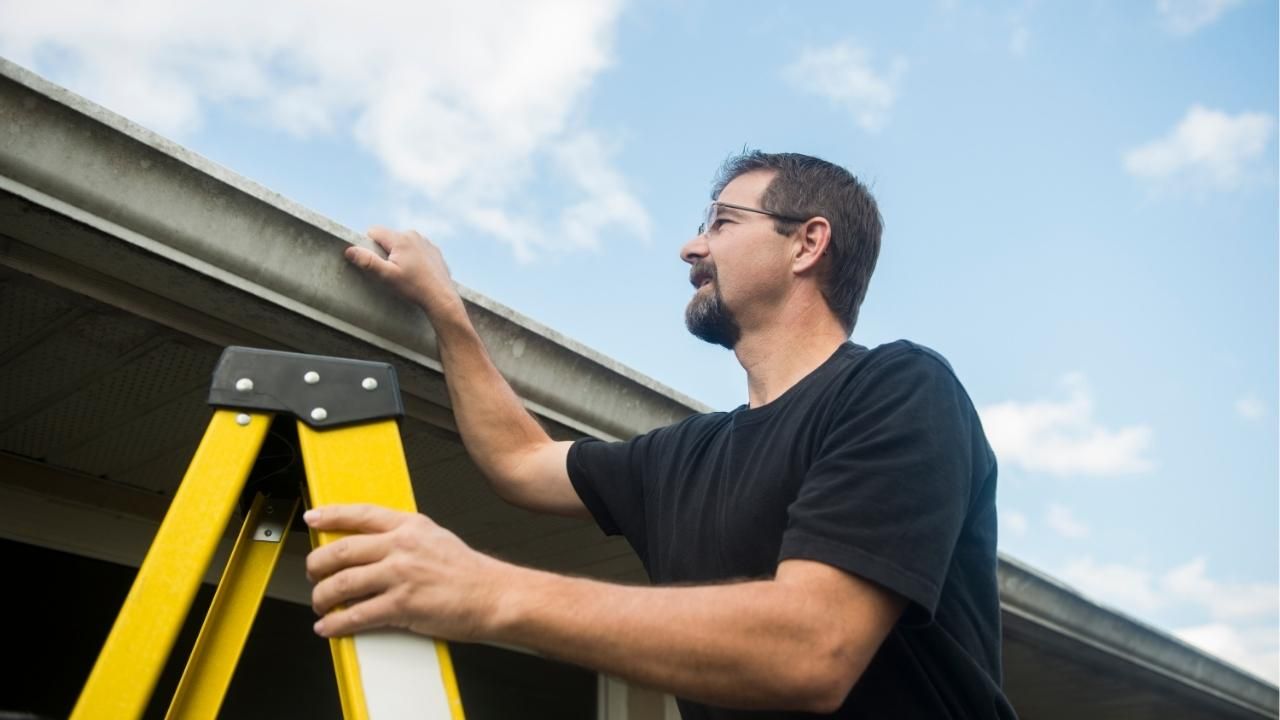
A roofing contractor can inspect shingles, flashing, vents, gutters, decking, and interior areas for signs of storm damage. Ask for clear photographs and a written estimate separating the scope of work, materials, labor, permits, disposal, and related repairs.
The contractor should not promise that insurance will approve the claim. Only the insurer can interpret the policy and determine coverage.
Meet With the Adjuster
Whenever possible, have your contractor available during the adjuster’s inspection. This allows both professionals to compare observations and identify damage that may be difficult to see from the ground.
Request a written explanation of the insurer’s decision. When payment is issued, compare the adjuster’s estimate with the contractor’s proposed scope before signing a contract.
What If the Insurance Estimate Is Too Low?
An insurance estimate may omit damaged components or use different measurements, material prices, and repair assumptions. A lower estimate does not automatically mean the claim was handled improperly, but it should be reviewed carefully.
Start by comparing the documents line by line. Look for missing items such as:
Underlayment
Roof decking
Flashing
Drip edge
Ridge vents
Pipe boots
Starter shingles
Ice and water barriers where required
Permit fees
Debris removal
Interior repairs
Ask your contractor to prepare a detailed supplemental estimate supported by photographs and measurements. Submit the information to the adjuster and request another review.
When you disagree with a denial or payment amount, follow the insurer’s appeal or reconsideration process. You may also contact the Alabama Department of Insurance with questions or concerns about how a claim was handled.
Choose Your Roofing Contractor Carefully
Storms often attract unfamiliar contractors who travel from one affected area to another. Do not hire someone based solely on a door-to-door pitch or a promise to make the deductible disappear.
Before signing, verify the contractor’s:
Alabama licensing status
General liability insurance
Workers’ compensation coverage, when required
Local business presence
Written warranty
Material specifications
Payment schedule
References and recent projects
Under Alabama law, a contractor performing residential roofing work valued above $2,500 must generally be licensed by the Alabama Home Builders Licensure Board and properly bonded. Broader structural work may require an unlimited license.
Be especially cautious with an Assignment of Benefits. This type of agreement may transfer important policy rights to a contractor or another third party. The Alabama Department of Insurance warns homeowners to understand these documents fully before signing them.
Short Case Study: Wind Damage After an Alabama Storm
After a strong spring storm, a Oneonta homeowner noticed shingles scattered across the yard and water staining an upstairs ceiling. The homeowner photographed the damage, covered the exposed section with a tarp, and reported the loss that day. A licensed roofer documented lifted shingles on multiple slopes, damaged flashing, and moisture in the attic. The adjuster initially estimated repairs for one section of the roof. After reviewing the contractor’s photographs and measurements, the insurer expanded the approved scope because matching repairs were not practical. The homeowner paid the deductible, completed the work, and later received the recoverable depreciation allowed under the policy.
This example is illustrative. Actual claim outcomes depend on the policy, evidence, roof condition, and insurer’s findings.
How to Make a Roof Claim Stronger
No contractor can guarantee approval, but good documentation can reduce confusion and prevent unnecessary delays.
Keep the following records:
Photos of the roof before and after major storms
Home inspection reports
Maintenance and repair receipts
Roofing warranties
Contractor invoices
Manufacturer information
Storm dates and weather alerts
Emails and letters exchanged with the insurer
Review your policy before storm season rather than waiting until damage occurs. Confirm whether the roof is insured at replacement cost or actual cash value, whether a separate wind or hail deductible applies, and whether the policy contains age-based roof restrictions.
Get a Professional Roof Assessment
Homeowners insurance may pay for a roof replacement when a covered event causes sudden, accidental damage. It typically will not pay simply because a roof is old, leaking, or ready for routine replacement.
A timely inspection can help you understand the extent of the damage, prevent additional water intrusion, and prepare accurate documentation for your insurer. Schedule a professional roof assessment today to find out whether your home needs a targeted repair or a complete replacement.
